
The Beauty and Sustainability of Bamboo Flooring for Interior Design
In the world of interior design, sustainability is becoming increasingly important. As we strive to create spaces that are not only aesthetically pleasing but also environmentally friendly, the choice of materials plays a crucial role. One such sustainable material that has been gaining popularity in recent years is bamboo.
Why Choose Bamboo Flooring?
Bamboo is a highly renewable resource that grows much faster than hardwood trees. It can be harvested in as little as 3-5 years compared to the decades it takes for traditional hardwoods to mature. This rapid growth makes bamboo an eco-friendly choice for flooring materials.
Additionally, bamboo is known for its durability and strength, making it a practical option for high-traffic areas in homes or commercial spaces. It is also resistant to moisture, making it ideal for kitchens and bathrooms where water exposure is common.
The Aesthetic Appeal of Bamboo
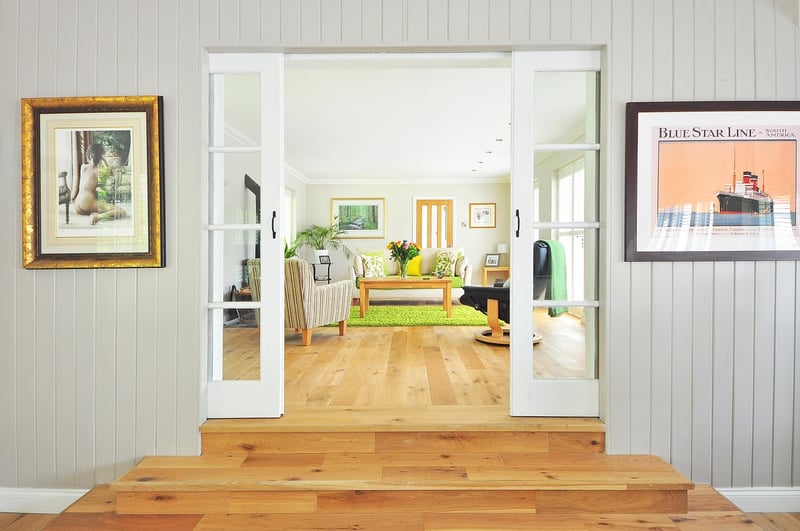
Aside from its sustainability and durability, bamboo flooring offers a unique and elegant look to any space. Its light color and distinctive grain patterns bring a sense of warmth and sophistication to interiors, complementing a wide range of design styles from modern to traditional.
Maintaining Bamboo Flooring
To keep your bamboo flooring looking its best, regular maintenance is key. Sweep or vacuum the floor regularly to remove dirt and debris that can scratch the surface. Use a damp mop with a gentle cleanser to clean up any spills or stains, ensuring not to oversaturate the floor.
Conclusion
When it comes to sustainable interior design, bamboo flooring stands out as a top choice. Not only does it offer environmental benefits, but it also provides durability, aesthetic appeal, and easy maintenance. Consider bamboo flooring for your next design project and bring the beauty of nature into your space.
For more inspiration and ideas on sustainable materials for interiors, visit our blog.